Denver’s unique climate poses distinctive challenges to gutters, affecting their durability, functionality, and maintenance needs. Understanding how factors like snowfall, temperature swings, hailstorms, and strong sun exposure interact with your gutter system is essential for every homeowner or property manager in Denver. This guide dives deep into the impact of Denver's weather on gutters and offers expert advice to help you safeguard your investment and maintain an efficient stormwater runoff system year-round.
Overview of Denver’s Weather Patterns and Their Impact on Gutters
Denver’s semi-arid climate is marked by a combination of dry conditions, significant seasonal variation, and sudden weather events. Rainfall in Denver averages around 15 inches annually, but it is often accompanied by snow during the winter months and intense hailstorms in spring and summer. The region experiences dramatic temperature swings, sometimes exceeding 30°F within a single day, leading to repeated freeze-thaw cycles that stress building materials, including gutters.
Wind gusts, sometimes surpassing 40 mph, can drive debris into gutters and cause physical damage, while prolonged UV exposure from high solar radiation deteriorates certain gutter materials over time. These dynamic weather patterns directly affect stormwater runoff management, corrosion resistance, and the overall integrity of gutter systems.
Understanding these elements—rain, snow, freeze-thaw cycles, hail, wind, and solar radiation—is critical multi-unit gutter cleaning denver for selecting proper gutter materials and designing effective maintenance schedules tailored to Denver’s environment.
Common Weather-Induced Gutter Issues in Denver
Denver’s weather exposes gutters to recurring stresses, which often translate into specific problems homeowners face:
- Ice dams forming due to fluctuating temperatures Frequent clogging from leaf and debris buildup, exacerbated by wind-driven accumulation Rust and corrosion accelerated by moisture retention Mold and algae growth promoted by trapped moisture Gutter sagging caused by heavy snow load or accumulated debris Structural fatigue triggered by thermal expansion and contraction
Ice Formation and Ice Dams
Freeze-thaw cycles are a hallmark of Denver winters. Melted snow refreezing near gutter edges creates ice roof drainage cleaning denver accumulation, forming ice dams that block water flow and lead to overflow. This trapped water can cause roof runoff to back up beneath shingles, promoting leaks and potential interior damage.
Ice dams not only block gutters but also add significant weight, stressing hangers and fasteners. Preventing ice dams requires strategies such as improving attic insulation to reduce heat loss that melts snow prematurely, installing heated gutter systems, or adding specially designed gutter guards that minimize ice buildup.
Debris Buildup and Clogging
Leaves, pine needles, twigs, and dust blown by Denver’s windstorms frequently collect in gutters, leading to clogging and water overflow. Proper gutter pitch is vital to promote efficient drainage and prevent standing water, which can accelerate rust and mold formation.
Use of gutter guards can greatly decrease clogging frequency but should be paired with regular inspections and cleaning schedules, particularly after fall foliage drops. Downspouts must remain clear and extend far enough away from the foundation to avoid erosion and water infiltration issues.
Structural Stress from Weather Extremes
Snow accumulation adds substantial weight to gutters, risking sagging or detachment if supports are inadequate. Similarly, periods of heavy precipitation combined with wind-driven rain can cause abrasion and degrade joint seals.
Thermal expansion due to wide temperature swings causes repeated contraction and stretching of gutters and expansion joints, which may loosen fasteners or create gaps that invite leaks. Selecting durable, flexible materials and ensuring secure installation can mitigate structural damage.
Effects of Temperature Fluctuations on Gutter Materials and Function
Denver’s frequent temperature changes exert considerable influence on gutter performance. Rapid cooling and warming cause thermal expansion and contraction cycles that stress materials and connections. These changes can create small cracks or deform gutters, compromising water flow and stability.
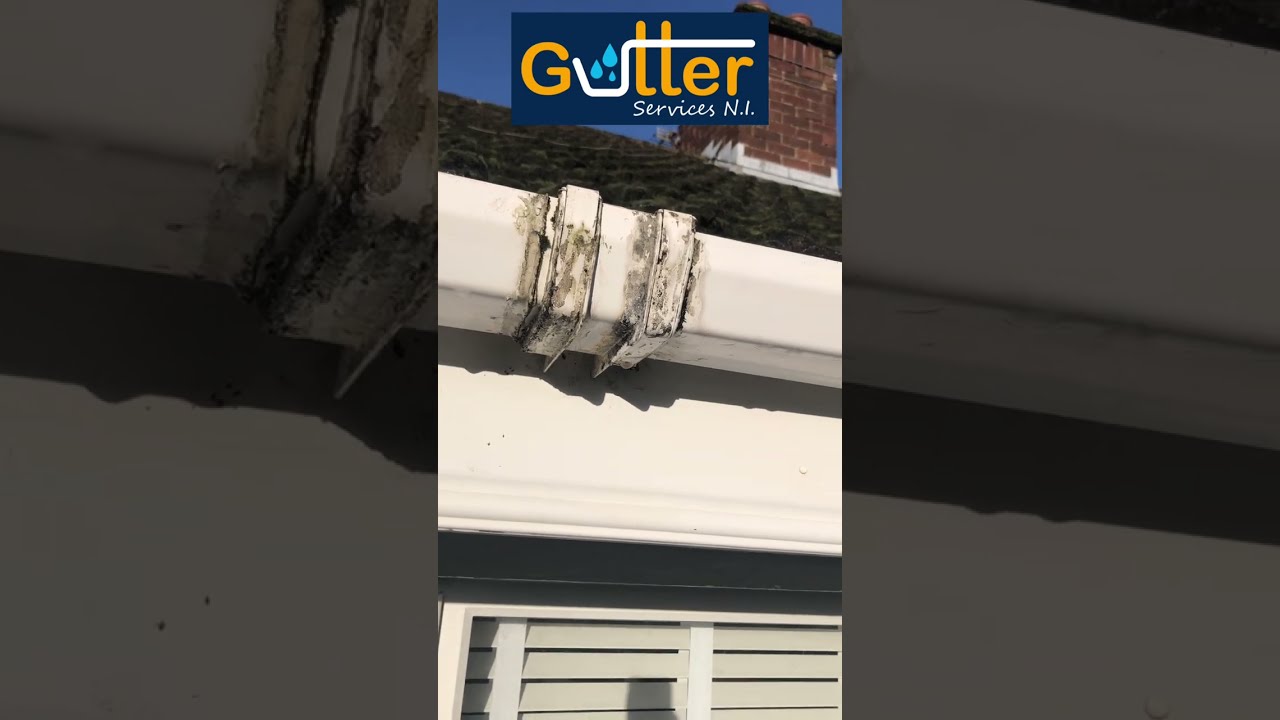
Condensation caused by temperature differentials traps moisture inside gutter seams, accelerating rust formation on metal gutters lacking corrosion resistance. Moisture infiltration under paint or protective coatings also leads to peeling and surface degradation. Vinyl gutters may become brittle and crack over time due to extreme cold versus summer heat.
Choosing materials scientifically tested for resistance to UV degradation and freeze-thaw damage is key to maintaining gutter integrity and avoiding premature replacement in Denver’s climate.
Best Practices for Gutter Installation and Weatherproofing in Denver
Installing gutters suited for Denver’s unique climatic conditions ensures long-term performance. Consider more info the following best practices:
- Use corrosion-resistant materials: Aluminum or copper gutters offer excellent durability against moisture and rust compared to steel or traditional iron. Optimize gutter pitch and slope: Correct angle ensures efficient water runoff, preventing standing water that causes leaks and mold. Install high-quality gutter guards: Mesh or reverse curve designs prevent debris buildup and reduce clogging frequency. Weatherproof seams and joints: Apply silicon or rubberized sealants designed for freeze-thaw resistance to prevent leaks. Consider heated gutter systems: In areas prone to ice dams, electric heating cables can maintain water flow during freezing conditions. Ensure secure mounting hardware: Use stainless steel or galvanized fasteners resistant to rust and able to withstand wind uplift forces.
Taking these measures during installation helps fortify your gutter system against harsh weather and reduces costly repairs later.
Maintenance Strategies to Combat Denver’s Seasonal Changes
Regular maintenance tailored to Denver’s seasonal cycles keeps gutters functioning properly and prevents weather-related damage:
- Spring: Inspect gutters for winter damage, clean accumulated debris from snow, ice, and storms. Summer: Clear out dust, leaves, and check gutter guards for effectiveness; repair any expansion joint damage caused by heat. Fall: Increase cleaning frequency to remove fallen leaves before winter sets in; prepare downspouts for heavy snow melt runoff. Winter: Monitor for ice dam formation and consider heated systems if recurrent; remove heavy snow buildup carefully to avoid structural stress.
Additional steps include controlling erosion by directing water flow away from foundations and incorporating rainwater prevent clogged gutters denver harvesting methods to manage stormwater runoff sustainably.
Enhancing Gutter Lifespan Amid Denver's Unique Climate
Proper material selection and proactive care extend gutter lifespan despite Denver’s demanding weather:
Material Resistance to Rust Freeze-Thaw Durability UV Resistance Typical Lifespan (Years) Aluminum High Moderate High 20-30 Steel (Galvanized) Moderate Moderate Moderate 15-25 Vinyl No Rust Low (can become brittle) Moderate 10-15 Copper Excellent Excellent Excellent 50+Incorporate protective coatings and schedule routine inspections to spot emerging corrosion or mechanical wear. Early repair of leaks, re-sealing joints, and replacing damaged hangers prevents minor issues from escalating into expensive restoration projects.
Utilizing local gutter professionals knowledgeable about Denver’s weather challenges provides added assurance of system longevity and effectiveness.

FAQ Section
Q: How does heavy snowfall specifically damage gutters in Denver?
A: Snow adds excessive weight causing gutters to sag or pull away from homes. Freeze-thaw cycles can create ice dams blocking drainage and causing leaks or structural damage.
Q: What is the best gutter material to withstand Denver’s freeze-thaw cycles?
A: Copper and aluminum are top choices due to their corrosion resistance and ability to tolerate temperature-induced expansion and contraction without cracking.
Q: How often should gutters be cleaned in the Denver climate?
A: At minimum, gutters should be cleaned twice yearly—in spring and fall—but more frequent cleaning is advised after storms or during heavy leaf drop seasons.
Q: Can gutter guards prevent ice dams and debris buildup in Denver?
A: Yes, quality gutter guards reduce debris buildup, decreasing clogs and some ice accumulation, but they don’t completely eliminate ice dams formed by roof heat loss.
Q: What signs indicate that my gutters need repair due to weather damage?
A: Look for sagging sections, visible rust or corrosion, water stains on siding, overflowing during rain, and peeling paint near seams.
Q: Are heated gutters necessary for homes in Denver?
A: They are beneficial in preventing ice dams in areas prone to heavy freeze-thaw cycles, especially on roofs with poor insulation.
Q: How can I improve drainage efficiency during Denver’s intense rainfall events?
A: Ensure gutters have proper pitch, regularly clean downspouts, extend downspouts away from the foundation, and install splash blocks or drainage same day gutter cleaning denver pipes to manage runoff.
In conclusion, Denver’s diverse and challenging weather strongly influences gutter performance and maintenance needs. By understanding these localized impacts—from freeze-thaw cycles and intense UV exposure to snow loads and wind-blown debris—you can choose appropriate materials, install smart protective features, and apply season-specific upkeep techniques. Prioritizing these actions not only prevents costly water damage and structural issues but also prolongs the lifespan of your gutters amid Denver’s distinct climate. For lasting protection, consult experienced local professionals and embrace proactive stormwater management practices tailored to this remarkable city’s environment.