When it comes to protecting your home from water damage, the proper installation of gutters is crucial. Whether you’re embarking on a new construction project or considering gutter replacement, understanding the differences in installation methods, materials, and maintenance can save you from costly repairs down the road. This comprehensive guide explores how gutter installation in new builds differs from replacement, ensuring you make informed decisions for durable and efficient rainwater management.
What Are the Key Differences Between Gutter Installation for New Construction Versus Replacement?
Visit the websiteGutter installation during new construction and replacement projects differ significantly due to the condition of the existing structure and installation opportunities.
- Integration with Fascia and Soffit: New construction allows gutters to be installed simultaneously with fascia board and soffit installation, providing a seamless fit and alignment along the roofline. This integration enables precise overhang measurements and ensures structural integrity. Adapting to Existing Conditions: Replacement gutters must conform to existing fascia and soffit conditions, which may include damage or irregularities. This often requires removal of old gutters, repair or replacement of fascia, and possibly flashing installation to prevent leaks. Alignment and Pitch Precision: With new construction, gutters can be installed with optimized pitch and angles from the start, promoting ideal water runoff. Replacement jobs might face challenges adjusting pitch if roofline or fascia is warped or deteriorated. Hanger Types: Hidden hangers are frequently used in new installations to provide a clean aesthetic and stronger support, while surface-mounted hangers are more common in replacements due to retrofit constraints.
The ability to address the roof and fascia comprehensively during new builds provides a foundation for superior gutter system performance, whereas replacement projects focus on adapting and repairing existing elements.
How Do Gutter Materials and Styles Impact Installation Differences?
Choosing gutter materials and styles plays an important role in the installation process, impacting costs, durability, and aesthetics.
- Seamless vs Sectional Gutters: New construction benefits from seamless gutters custom-fabricated on-site to exact lengths, reducing joints where leaks could occur. Replacement often uses sectional gutters, which are easier to install but may require more maintenance over time. Material Selection: Popular materials for new installations include copper and zinc gutters, prized for their longevity and corrosion resistance, although they come at higher material and labor costs. Aluminum gutters offer a balance of affordability and durability, common in both scenarios. Vinyl gutters, often selected in replacements, are more affordable but less durable. Size and Pitch Optimization: Gutter size and pitch are easier to customize during new construction to effectively handle water volume based on roof dimensions and local rainfall patterns, improving drainage and minimizing risk of overflow or ice dams. Use of Sealants and Flashing: Applying gutter sealant and flashing is more straightforward in new builds where surfaces are clean and accessible, ensuring superior waterproofing compared to retrofit situations.
Material choice and gutter style not only affect installation complexity but gutter cleaning near me houston also influence long-term home protection and maintenance requirements.
What Is the Role of Downspout Installation and Sizing in New Construction vs Replacement?
Downspouts are critical components directing water away from your home’s foundation, mitigating damage risks.
- Strategic Downspout Placement: During new construction, downspout locations are planned carefully as part of the overall drainage system, accounting for landscape grading and foundation protection. Assessment and Adjustment in Replacement: When replacing gutters, contractors assess existing downspout efficiency and may resize or relocate them to improve drainage and avoid water pooling near the foundation. Inclusion of Extensions and Splash Blocks: Replacement projects commonly add gutter extensions or splash blocks to redirect runoff further from the home, addressing any prior drainage deficiencies. Integration with Rainwater Harvesting: New builds can easily incorporate rainwater harvesting systems linked to downspouts, promoting sustainable water usage and reducing runoff.
Proper downspout installation and sizing directly impact the effectiveness of the entire gutter system and protect structural elements beneath the foundation.

How Do Gutter Hangers and Guards Differ in Installation Between the Two Scenarios?
Gutter hangers and guards rain gutter cleaning houston play a vital role in supporting gutter integrity and minimizing maintenance needs.
- Hidden Hangers in New Installs: These hangers are preferred during new construction for their strength and smooth appearance, allowing gutters to be suspended securely without visible hardware. Surface-Mounted Hangers in Replacements: Retrofitting gutters usually means relying on surface-mounted brackets or hangers, installed onto existing fascia and sometimes visible. Gutter Guards Installation: While new construction can integrate gutter guard systems—mesh or leaf guards—from day one, replacement projects often add these guards later as retrofits to reduce the frequency of gutter cleaning services and maintenance. Maintenance Impact: Properly installed guards in new gutters can greatly limit debris buildup, enhancing gutter longevity compared to older systems without protection.
Choosing the right hangers and guards ensures gutter durability and reduces labor-intensive cleaning, especially significant in homes surrounded by trees.
What Are the Cost and Timeline Differences Between New Construction and Replacement Gutter Installations?
Understanding houston gutter inspection and cleaning the financial and scheduling aspects helps homeowners and contractors prepare effectively.
- Labor and Material Costs: New construction often integrates gutter installation into the broader building timeline, potentially lowering the incremental labor cost. However, premium materials like copper in new builds elevate expenses. Replacement projects incur added labor for gutter removal, fascia repairs, and patching. Project Timeline: Gutter installation in new construction flows with other exterior work phases, generally requiring less disruption. Replacement jobs can take longer due to unforeseen complications like damaged roof edges or fascia board deterioration. Permits and Inspections: New constructions almost always require permits and official inspections, influencing project duration. Replacement installations may or may not need permits depending on local codes and scope. Warranty Coverage: Warranties on gutters vary by installer and manufacturer, often more comprehensive with new installations. Replacements may have limited warranty terms, especially if older materials are reused.
Planning ahead for costs and timelines avoids surprises and supports smooth project execution whether building fresh or upgrading older systems.

How Do Building Codes and Environmental Factors Influence Gutter Installation in New Builds Versus Replacements?
Compliance and climate resilience are key factors shaping gutter system effectiveness.
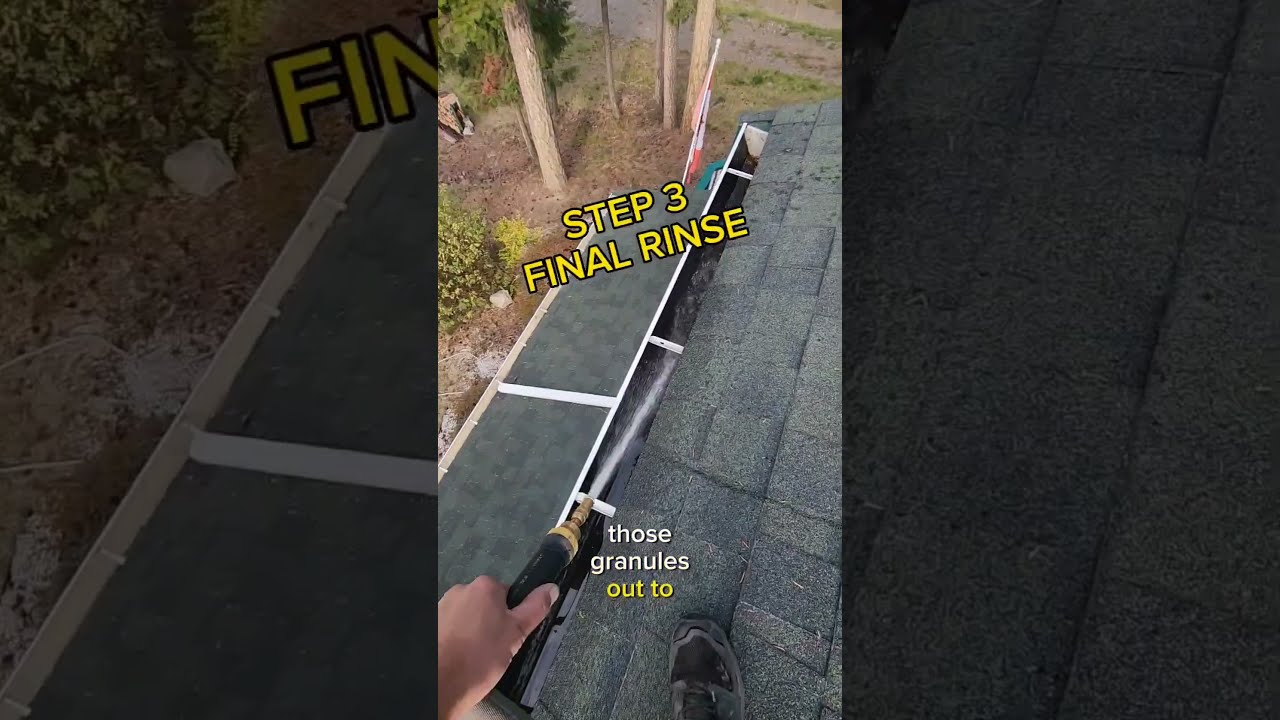
- Building Code Compliance: New construction ensures gutters meet up-to-date codes regarding slope, pitch, materials, and installation techniques, aligning with local regulations to prevent water damage and ice dams. Handling Older Structures: Replacement gutters must adapt to existing rooflines and may require upgrades to meet evolving codes, sometimes necessitating fascia or flashing improvements. Environmental Challenges: In regions prone to ice dams or heavy rainfall, new installations incorporate enhanced pitch and durable materials like aluminum or zinc for better water flow and freeze resistance. Drip Edge and Flashing Installation: New builds allow for ideal installation of drip edges and flashing to direct water into gutters smoothly, while replacements sometimes face difficulties due to accessibility and wear.
Addressing these factors ensures longevity and protects home exteriors best gutter cleaning houston from moisture-related deterioration.
What Additional Maintenance and Protection Considerations Exist for Each Gutter Installation Type?
Ongoing care extends gutter life and prevents costly repairs.
- Maintenance Frequency: New gutters typically require less frequent repairs due to modern installation standards and protective features, while replacement gutters may need immediate or regular maintenance due to underlying structural wear. Cleaning and Repair Needs: Replacement gutters often coincide with increased gutter cleaning services given potential debris buildup and aging components. Proactive gutter repair prevents water damage to fascia and foundation. Gutter Protection Systems: New construction offers the opportunity to install integrated gutter guards and advanced drainage solutions to reduce maintenance demands. Rainwater Harvesting and Landscape Drainage: These features are simpler to incorporate in new builds, enhancing water reuse efficiency and foundation protection.
Implementing proper gutter maintenance plans tailored to installation type preserves function and protects home investments.
In summary, gutter installation for new construction differs considerably from replacement projects in installation methods, material choices, downspout planning, hardware selection, cost, compliance, and maintenance. New builds enjoy the advantage of customization and integration, resulting in highly efficient gutter systems with minimal future upkeep. Conversely, replacements must navigate existing structural challenges but provide essential upgrades that prolong gutter lifespan and improve drainage. Whether you are a homeowner, builder, or DIY enthusiast, understanding these distinctions empowers you to select the right approach that safeguards your home against water damage for years to come. For professional results and peace of mind, consider consulting experienced gutter installers who can tailor solutions to your specific property needs.